
TMS for Depression to Help Improve Your Mental Health in Los Angeles & Glendale, CA
Serving Burbank and Pasadena, CA
What Is TMS?
Before we discuss TMS for depression, let’s make sure we are on the same page about what it is.

Transcranial Magnetic Stimulation (TMS) is a non-invasive procedure that targets specific areas of the brain associated with depression. These areas of the brain are underperforming physiologically, which can explain symptoms of depression. Using very similar technology to a Magnetic Resonance Imaging (MRI) machine, TMS therapy is able to stimulate the inactive areas of the brain, thereby improving symptoms of depression. There are minimal side effects, no anesthesia is required, and people do not need to take time from work during treatment.
Does TMS Therapy For Depression Actually Help?
Yes, it can. 80% of patients experience a positive response. 65% of patients have no depressive symptoms after treatment is completed. The important takeaway from these statistics is that if you suffer from depression, you are more likely than not to receive benefit. However, it is important to acknowledge that there are some people who are non-responders (20% no benefit, 35% end treatment with some depressive symptoms).
What If I Don’t Respond To TMS For Depression?
Often times when educating people about TMS, providers do not acknowledge both sides of the treatment coin. It is important to keep in mind that even if someone does not respond to treatment, there are other alternative treatments to try, such as accelerated TMS, and there are new treatments being developed annually. Individual results will vary. In consideration of the low side effect profile, trying a course of TMS may be worth it if you’ve had bad luck or no luck with traditional treatments. Make sure to complete an evaluation before, during, and after TMS treatment.
TMS for Depression can be fcMRI-guided if you’re interested in maximizing treatment results, or you can opt for accelerated TMS. Click here to learn more about the benefits of depression treatment in Los Angeles.
How Is TMS Research Conducted? Where’s The Proof?
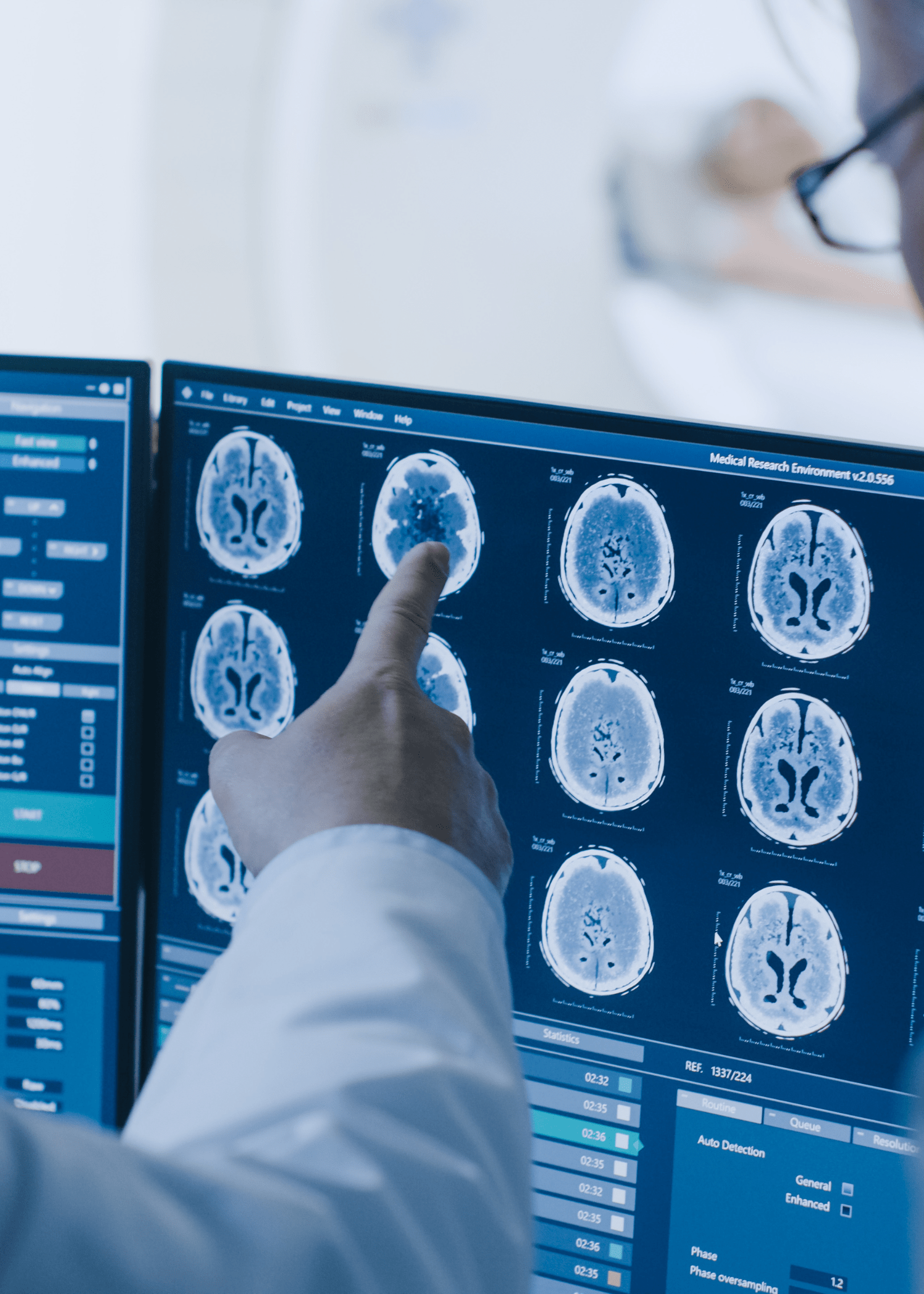
Research on TMS for depression typically compares Sham TMS treatment to actual TMS treatment. Sham treatments are analogous to the placebo (“sugar pill”) in medication studies. Sham treatments mimic the sound and feel of TMS pulses on the scalp, without stimulating the brain. This is typically done with two methods:
- Tilting the TMS coil and magnetic field away from the target area, but still in contact on the scalp
- Using a TMS coil with a magnetic shield that prevents the magnetic field from crossing into the brain tissue. There are also surface electrodes that mimic the sensation of pulses on the scalp
In comparison to sham treatment, actual TMS treatment was able to show a statistically significant difference amongst study participants. In 2008, Neuronetics presented research that was reviewed by the FDA (Food and Drug Administration) and approved for public clinical use. Since then, there have been many other TMS companies that have researched, created, and distributed FDA cleared machines for clinical use.
FDA Clearance vs. FDA Approval Of TMS treatment
There is a difference between FDA clearance and FDA approval.
FDA approval means there is substantial research showing that the benefits of a treatment outweigh the health risks. FDA clearance is when a treatment is deemed substantially equivalent to something that has already been approved or cleared. Each TMS device has different FDA approvals and/or clearances. You should check with your provider regarding the type of machine they use and its indications.
What Conditions Are FDA Approved And Cleared For Treatment With TMS?
At the time of this post there are only two conditions that the FDA has approved for treatment with TMS: depression and OCD. There are four conditions that are FDA cleared: depression, OCD, anxious-depression, and smoking cessation. There is more research being conducted for other conditions.
TMS FDA Clearance / Approval vs. What Insurance Covers
What Qualifies Someone For Insurance Coverage Of TMS For Depression?
In order to qualify for coverage, a prior authorization is required that has to demonstrate treatment-resistant depression:
- Patients must be currently or recently engaged in talk therapy
- Two antidepressant trials of different classes (ex: SSRI, SNRI) during the current depressive episode. Four antidepressants were required in the past.
- Must meet criteria for moderate to severe depression based on an objective measurement (ex: PHQ9, HAM-D)
FDA approval and/or clearance for TMS does not mean the procedure will be covered by insurance. Insurance coverage for TMS treatment is limited to two conditions: MDD and OCD. Most commercial insurers cover MDD, but few will cover OCD. Despite being FDA cleared, there are no insurance companies that will cover TMS for smoking cessation or anxiety. You will need to check with your provider for more details. Paying out of pocket is an option if prior authorization is not approved.
Even Insurance Companies Are Recognizing The Benefits of TMS
Not only is there enough clinical evidence for the FDA to approve TMS for depression, but there is also enough evidence for insurance companies to pay for other conditions. Furthermore, insurers have made the criteria for qualifying easier in recent years. Considering the reputation of insurance companies not wanting to cover treatments, lowering criteria speaks volumes for TMS’ effectiveness. If you are interested in using TMS for something other than depression, check back with a professional for updates to insurance coverage and FDA approvals or clearances.
Summary Of Does TMS For Depression Actually Work?
Awareness of TMS’ effectiveness has increased amongst providers and patients over the past decade. Awareness is likely to continue to increase over time.
The reason information about TMS is not well known is likely due to poor marketing and skepticism (some healthy, some not).
I hope this article offered some information from a provider’s perspective about whether or not TMS can be helpful for the treatment of depression and other conditions.
FAQS
NeoPsych treats major depressive disorder (MDD), treatment-resistant depression, persistent depressive disorder, and depressive episodes that haven’t sufficiently responded to medication or therapy. If you’ve tried antidepressants, psychotherapy, or combination treatments without adequate relief, TMS For Depression may be recommended. Severity, duration, history of treatment response, and co-occurring mental health conditions are all considered. The goal is to reduce depressive symptoms, improve mood, energy, sleep and overall quality of life.