Table of Contents
In modern day society there are many options for mental health treatment that are non-medicinal. With medications, many experience side effects with minimal improvement. If neither talk therapy or medication offer benefits, patients are then labeled as “treatment-resistant.” This is where treatments such as transcranial magnetic stimulation, ketamine, and electroconvulsive therapy (ECT) are attempted.
In this blog, we will discuss the different types of treatments that exist for treating your mental health aside from medications.
Why Do Some People Need Alternative Mental Health Treatments?
Medications can help a lot of patients alleviate symptoms of depression and anxiety. However, with medications, there can be a lot of side effects. It can also take weeks for medications to take effect. Options like ketamine, ECT, or TMS are considered great options because they can act faster and may not have the systemic effects that pills and tablets are known to cause.

Who Should Consider Alternative Depression Treatments?
The definition of “treatment-resistant depression” is when there is a failure to improve after one course of talk therapy and after trying at least two different classes of antidepressant medications for approximately 6 to 8 weeks. This is the widely accepted definition set by most insurers in the United States.
Examples of different classes of antidepressant medications are selective serotonin reuptake inhibitors (SSRIs), serotonin-norepinephrine reuptake inhibitors (SNRIs), and dopamine reuptake inhibitors (DRIs).
What Is TMS Therapy?
TMS is the non-invasive delivery of magnetic pulses to brain regions associated with emotion, such as the prefrontal cortex. TMS patients typically experience mild side effects, if any, when undergoing treatment. TMS effects can last for months to years, with patients reporting significant improvements in mood.
Standard TMS treatment consists of 36 total sessions, with stimulation duration ranging from 5 to 20 minutes. The sessions run for 6 to 8 weeks. Accelerated protocols can be completed in 1-10 days.
What Is Ketamine Therapy?
Ketamine is a low dose of an anesthetic that is used to treat depression or chronic pain. Ketamine works by blocking certain brain signals and helping neurons form new connections in the brain.
Our brain has an excitatory chemical known as glutamate, and when there is too much glutamate, this can lead to damage to our neurons and lead to anxiety. Ketamine blocks receptors that release the neurotransmitter glutamate, leading to increased glutamate levels in other areas of the brain. This can lead to the growth of new synaptic connections in our brain, which repairs stress-damaged brain circuits.
Minutes after taking the dose, you will experience a dissociative feeling and slight detachment from your body.
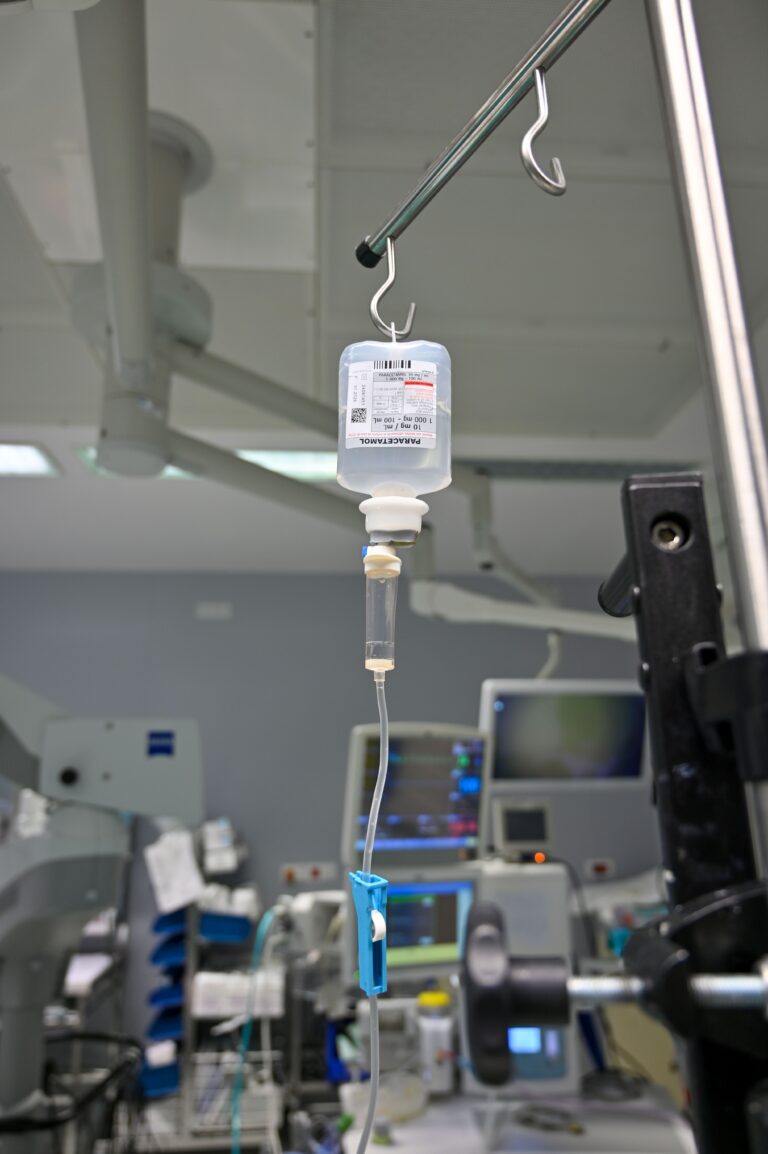
Ketamine is administered either intravenously (IV) or through a nasal spray.
What Is Electroconvulsive Therapy (ECT)?
Unlike TMS, ECT is considered an invasive medical procedure where patients are placed under anesthesia and brief electrical currents are passed to trigger a controlled seizure. The seizure process has been found to alter brain chemistry and promote the growth of new brain cells. The procedure is around 5 to 10 minutes. ECT side effects include confusion, memory loss, and physical side effects such as nausea, headaches, or jaw pain.
ECT treatments are given 2 to 3 times weekly for 3 to 4 weeks, totaling around 6 to 12 treatments. ECT is often used in urgent cases or when other treatment options are ineffective.
What Do We Offer in NeoPsych Glendale, CA?
At NeoPsych, we offer TMS and offer a range of protocols to best suit your needs. We offer accelerated protocols which can be completed in one week, one-day protocols, as well as the standard 4-6 weeks of treatment. NeoPsych does not offer ECT or Ketamine treatments. If you have any questions about the services we provide, feel free to contact us.
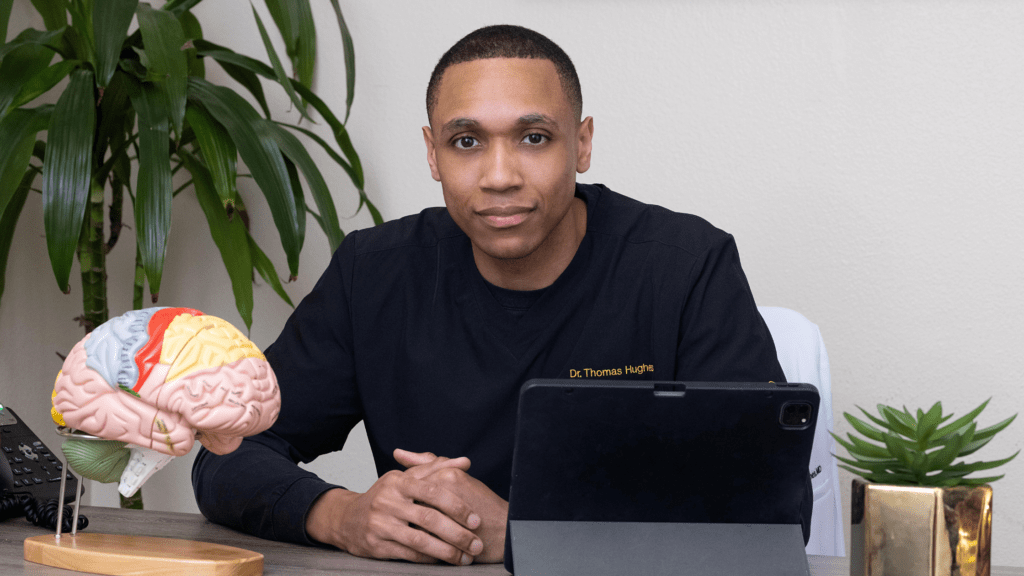
Dr. Thomas Hughes is an adolescent and adult interventional psychiatrist. He is the owner and founder of Heard Medical and NeoPsych in Glendale, CA. He specializes in medication management and Transcranial Magnetic Stimulation for depression, anxiety, OCD, and PTSD.
Esha Nushrat is a pre-medical student interested in Neurology. She has been working in mental health and volunteers at organizations such as Stride in Recovery and NAMI
This blog post has been medically reviewed by Dr. Thomas Hughes, the practicing provider at NeoPsych.