
Table of Contents
During your TMS treatment period, your brain will be experiencing many synaptic changes and altered brain activity. During this period, it is beneficial to explore and make changes in your life that will help improve your mood, and these will work alongside TMS. The period right after treatment, especially, is considered a critical moment as this is where your brain has the most heightened activity. Therefore, engaging in things that bring you joy, such as listening to your favorite song or eating something you enjoy, is highly recommended.
In this blog, we will uncover possible practices you can make in your life to see better results with your treatments.
Meditation
Meditation is the practice of training your attention to achieve a clear and emotionally stable state. The practice involves focusing your mind on a particular object, thought, or activity and guiding your mind back when it wanders. Meditating regularly helps lower cortisol, the stress hormone, in your brain. It decreases your body’s sympathetic nervous system, or fight-or-flight response, and leads to less strain on your heart and blood vessels.
Clinical observations have found that combining TMS with meditation leads to higher remission rates. Treatment provides the biological changes in our brain and increases underactive activity, while meditation provides psychological support, which is the cognitive tools to help with managing stress and lessening negative thought patterns. A great way to begin meditating is by searching for guided meditations online that cater to what you are trying to work with.

Mindfulness
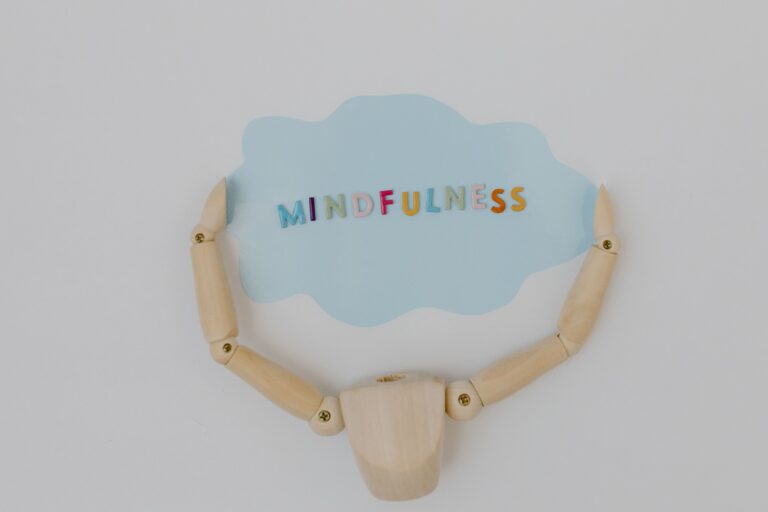
Mindfulness is a concept that is rooted in Buddhism, where an individual is conscious of what is going on in their mind. It essentially is the practice of being present in the moment and letting go of distractions. With mindfulness, your ability to focus improves because you can control your thoughts when they dart around. It also helps control your thoughts when a stressful situation occurs because your mind tends to wander into other events, which makes dealing with the stress difficult.
A way to practice mindfulness is through guided mindfulness meditation videos, which help you navigate your mind and be more present in the moment. During treatment, you may experience “dips,” which are where you experience a temporary worsening of your depression and anxiety. Practicing techniques like mindfulness can help you move forward during these moments and support your treatment progression.
Diet
Our diet can impact our mood, as there is a link between our gut and mind. Unhealthy food can cause inflammation in our body, which can trigger a release of cortisol and impact our mood. Eating clean supports a clean digestive tract and helps prevent cardiovascular health issues. Healthy eating also keeps our weight within the normal range and can make us feel confident in ourselves. Nutritious eating supports TMS by supporting the brain’s electrical and neurochemical function, which can enhance treatment effects by giving the brain a foundation for neurotransmitter production.
Exercise
Exercise leads to the release of endorphins, which are the same chemicals released from pain medications. Endorphins can help reduce stress, alleviate physical discomfort, and elevate mood. Physical exercise also boosts a protein known as brain-derived neurotrophic factor (BDNF). This protein acts as a growth hormone for your brain, supporting learning and strengthening the connections between brain cells. This, paired with TMS, improves your neurons’ ability to respond to the TMS stimulation.

Sleep Hygiene
Sleep hygiene is the practice of daily habits and bedroom settings that help you get the best seven to nine hours of good, restful sleep. Practicing habits such as minimizing light and screen time and relaxing one to two hours before bedtime can help optimize your sleep. Avoiding intense exercise, caffeine, and late-night meals is recommended. TMS causes your brain activity to increase; therefore, getting well-rested sleep is important to let your body relax. TMS can also help promote deeper sleep and can cause you to have more vivid dreams as your brain is in the deeper sleep cycles of REM, where dreams occur.
Therapy
TMS helps with the biological changes that our brain experiences with conditions such as depression, anxiety, and PTSD. However, participating in therapy is a great way to make the behavioral changes you need to ensure lasting change in your life. Therapy offers various options, such as talk therapy, cognitive behavioral therapy, and eye-movement desensitization and reprocessing, each tailored to a specific diagnosis you may have.
Things to Limit During Treatment
Some things to limit during treatment include alcohol and recreational drug use, such as marijuana and cocaine. These substances alter the brain chemistry and can also increase the risk of a seizure. Using such substances during treatment can also hinder your treatment progress as it alters your brain’s ability to increase the connections between your neurons. Alcohol, for example, is classified as a depressant and slows your brain’s cells. This counteracts the effects of TMS for depression, which aims to increase the activity and strength of connections between your neurons.
Final Thoughts
Just as important as coming to your daily TMS appointments, practicing healthy lifestyle changes is also beneficial to ensure you get the best results from your treatment. Recovery is a gradual process, and small, consistent lifestyle changes can make a significant difference over time. By combining your daily TMS treatments with healthy routines and self-care practices, you’re giving yourself the best opportunity to experience lasting improvements in your mood, overall well-being, and quality of life. Every positive step you take—both inside and outside the treatment room—is an investment in your mental health journey.
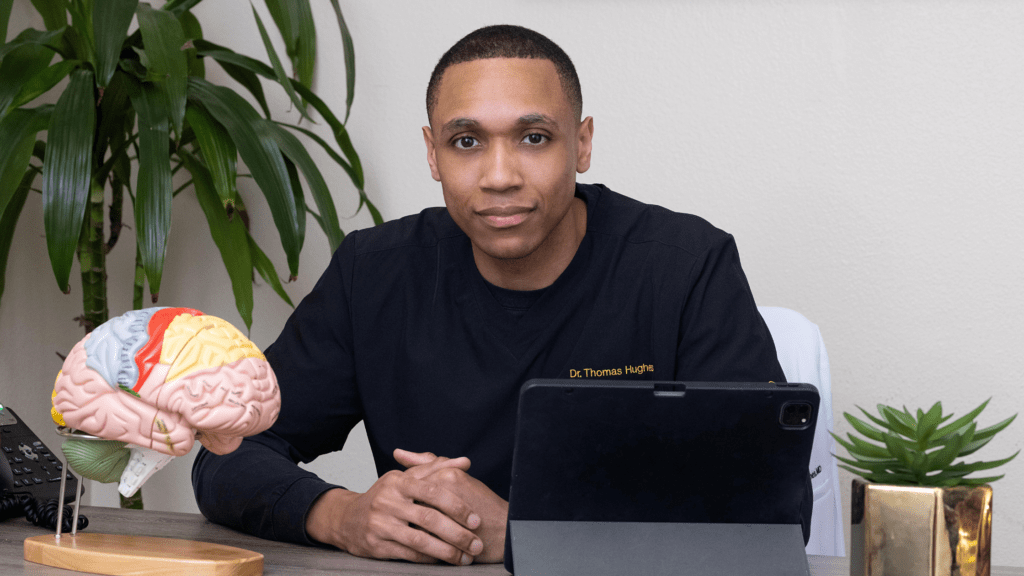
Dr. Thomas Hughes is an adolescent and adult interventional psychiatrist. He is the owner and founder of Heard Medical and NeoPsych in Glendale, CA. He specializes in medication management and Transcranial Magnetic Stimulation for depression, anxiety, OCD, and PTSD.
Esha Nushrat is a pre-medical student interested in Neurology. She has been working in mental health and volunteers at organizations such as Stride in Recovery and NAMI
This blog post has been medically reviewed by Dr. Thomas Hughes, the practicing provider at NeoPsych.