
Table of Contents
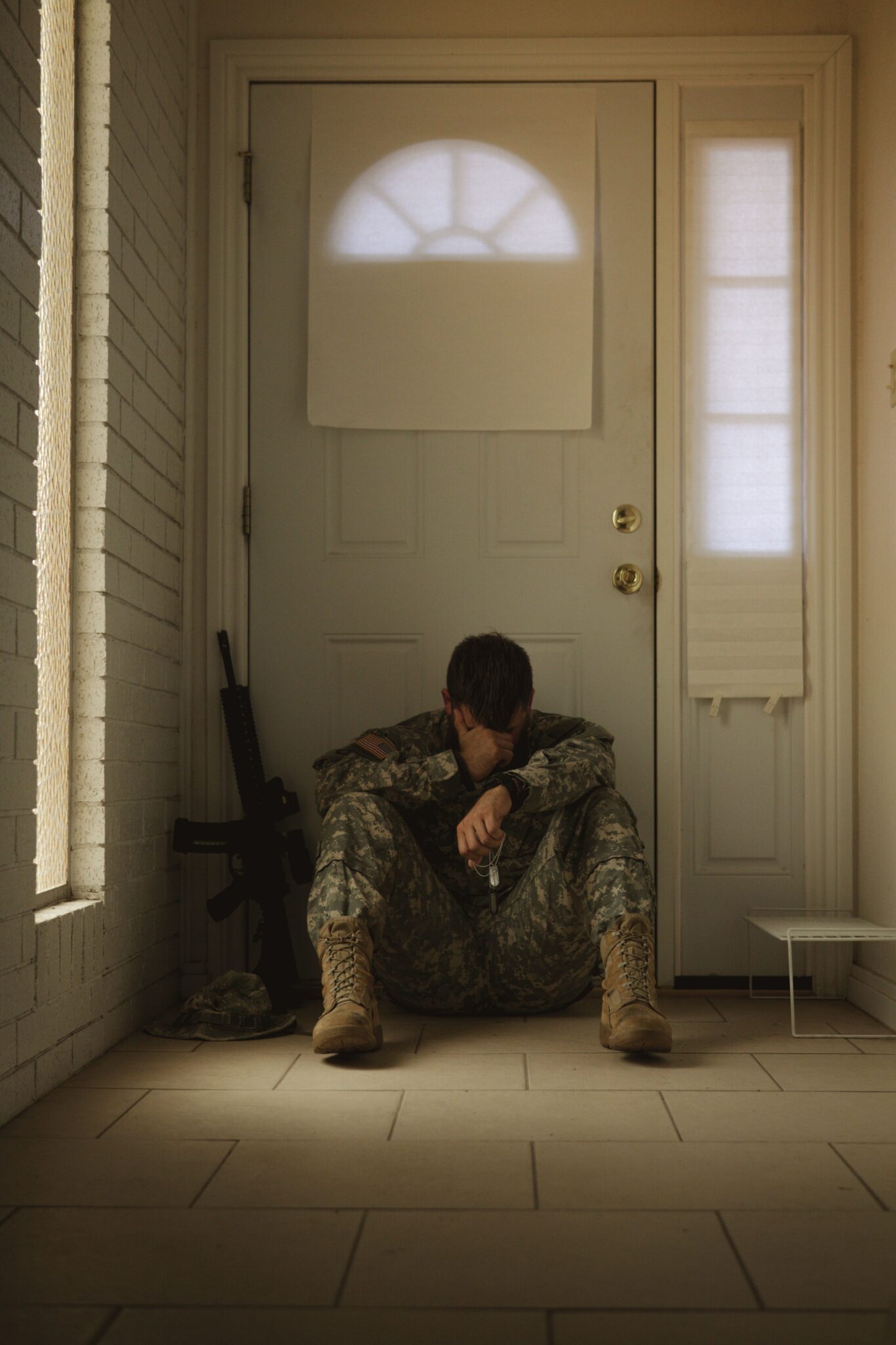
Service in the military is a meaningful and rewarding career choice. It does come with risk to the physical safety and mental health of its members. Post-Traumatic Stress Disorder is the most prominent of the mental health disorders. PTSD can cause many challenges for daily functioning in civilian life.
In this blog post, we will discuss what PTSD is, the causes, and treatment options for veterans struggling with their mental health.
What Is PTSD?
PTSD stands for post-traumatic stress disorder and is a mental health condition where an individual experiences an extremely stressful event, either as the victim or by witnessing it. Symptoms can include flashbacks, nightmares, severe anxiety, or uncontrollable thoughts about the event. Most individuals who undergo a traumatic event take a short time to recover and get better with self-care. However, if the symptoms get worse or last for months or years, and affect one’s ability to function daily, then they may have a diagnosis of PTSD that needs treatment with a trained professional.
How Does PTSD develop?
Experiencing an event that is considered traumatic (near death experience for example) causes areas in our brain to become overactive or underactive. It is the way our brain adapts to protect itself, and the rest of the body, from going through something like that again. These are some examples to the physical changes that can occur in the brain.
- The hippocampus is the brain’s memory center. Individuals with PTSD can sometimes experience a shrinkage in size of the hippocampus, impacting the brain’s ability to terminate a stress response
- The amygdala handles fear processing, emotional responses, and the fight-or-flight survival system. In PTSD, the amygdala can become hyperactive, failing to properly process safety cues and triggering exaggerated fight-or-flight responses
- The prefrontal cortex is the area that controls our ability to make decisions. Individuals with PTSD can have an underactive prefrontal cortex, which leads to a decreased ability to calm down the overactive amygdala.
PTSD can also cause an imbalance in stress hormones and chemicals.
- Norepinephrine is a stress hormone that drives our brain’s fight-or-flight response. Levels of norepinephrine can be elevated in PTSD
- Cortisol is also a stress hormone that could have elevated levels in PTSD
- Serotonin is a chemical in our brain that is part of regulating our mood. Individuals with PTSD can have decreased concentrations of serotonin, which causes a disturbance in the interaction between the amygdala and hippocampus.
Why Do Veterans Get PTSD?
The high-stress environment of the military can cause lingering feelings of anxiety. Adapting back to a normal lifestyle can be difficult, as the high-pressure environment causes your nervous system to have a fight-or-flight response system activated.
Being exposed to combat and returning to civilian life can cause a difficult transition due to the traumatic events from the military environment. The change in environment and lifestyle can cause a flood of emotions that may be difficult to fully process once out of the environment.
Another cause of PTSD in veterans is the military sexual trauma that can happen during service. Military sexual trauma is sexual assault or sexual harassment that is experienced during military service. The VA reports that about 1 in 3 women and 1 in 50 men have experienced military sexual trauma.
How Can PTSD Symptoms Be Treated?
Along with TMS, PTSD can be treated via a combination of talk therapy and medications. Medications to help treat the symptoms of PTSD include antidepressants (SSRIs/SNRIs), benzodiazepines, antihypertensives (Clonidine), and medications such as Prazosin to help manage sleep disturbances and nightmares.
Talk therapy that is trauma-focused, such as cognitive processing therapy (CPT), prolonged exposure (PE), or eye movement desensitization and reprocessing (EMDR).
- CPT teaches you how to change your negative thoughts and feelings you experience.
- PE teaches you how to approach trauma-related memories.
- EMDR helps process the traumatic memory while paying attention to a movement or sound.
How Is PTSD Related to Depression?
PTSD and depression occur together and share overlapping symptoms such as a loss of focus and interest in things you used to enjoy. Individuals who experience PTSD are 3 to 5 times more likely to experience depression.
Depression can cause feelings of hopelessness, lack of motivation, and suicidal ideation. Trouble coping with the symptoms of PTSD can lead to one developing depression.
How Does TMS Help?
Transcranial magnetic stimulation (TMS) is the use of magnetic pulses to treat underactive areas in the prefrontal cortex. As previously discussed, individuals with PTSD often have a co-morbid diagnosis of depression/anxiety. TMS is FDA-approved for depression, and as depression and PTSD occur hand-in-hand, treating the depressive symptoms can help with the severity of PTSD. NeoPsych highly recommends pairing TMS with a course of trauma focused talk therapy to maximize the benefits of treatment.
NeoPsych offers complimentary discovery calls to help you understand your options, determine whether you’re a candidate, and find the right protocol for your needs. You can also book a discovery call directly here.
Does Insurance Cover TMS For Veterans?
Yes. NeoPsych is contracted with Tricare West. They do cover TMS for depression.

Esha Nushrat is a pre-medical student interested in Neurology. She has been working in mental health and volunteers at organizations such as Stride in Recovery and NAMI
This blog post has been medically reviewed by Dr. Thomas Hughes, the practicing provider at NeoPsych.